


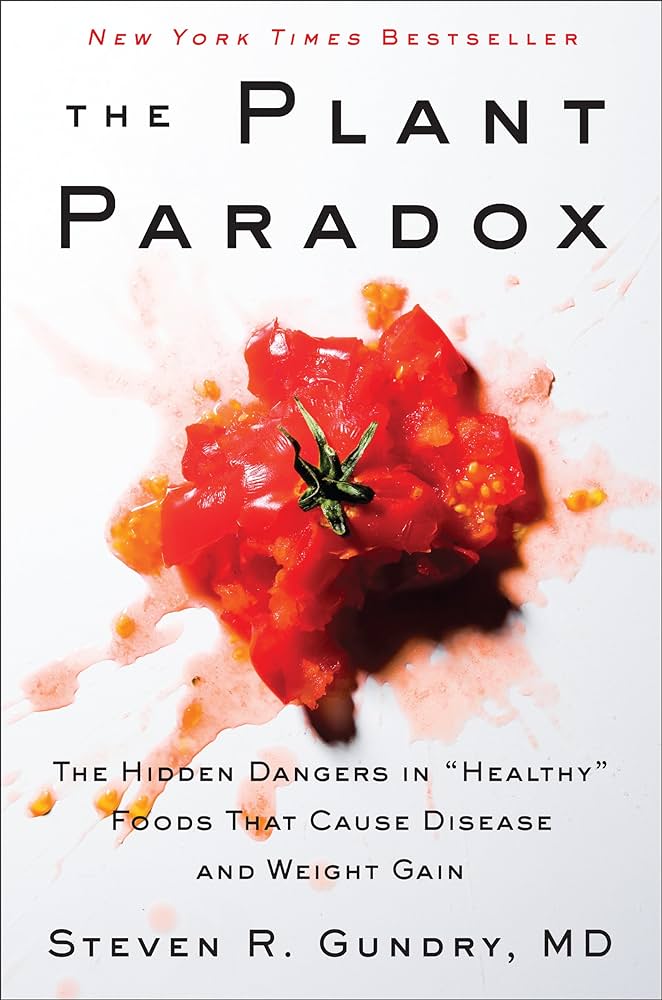
"From renowned cardiac surgeon Steven R. Gundry, MD, a revolutionary look at the hidden compounds in "healthy" foods like fruit, vegetables, and whole grains that are causing us to gain weight and develop chronic disease. In the deadly game of predator versus prey, an adult gazelle can outrun a hungry lioness, a sparrow can take flight when stalked by a cat, and a skunk can let loose a spray of noxious liquid to temporarily blind a fox. The stakes aren't always rigged against the prey. But when the prey is a plant, the poor thing is helpless, right? Wrong. Plants actually have an impressive array of defense tactics to protect themselves from predators of all shapes and sizes--including humans. Dr. Stephen Gundry explains that these defense strategies make the seemingly virtuous plants that we consume every day--fruits, vegetables, grains, nuts, and seeds--far less "good for us" than we assume. Plants may use physical deterrents (think : the spine-tipped leaves of an artichoke or the hard outer coating of a seed) as well as chemical warfare to repel predators. One of the most common forms of plants' chemical defense system comes in the form of proteins called lectins. Found in the seeds, grains, skins, rinds, and leaves of most plants, lectins act as smart bombs in the human body, causing toxic or inflammatory reactions that lead to serious conditions such as leaky gut, autoimmune disease, chronic digestive disorders, heart disease, and weight gain. In The Plant Paradox, Dr. Gundry outlines the health hazards posed by lectins as well as the ways we can avoid them. The main sources of lectins in the American diet include conventionally-raised dairy products, beans, and other legumes, wheat and grains, and specific vegetables and fruits. The simple (and daunting) fact is, lectins are everywhere. But in The Plant Paradox, Dr. Gundry provides simple hacks we easily can employ to avoid this insidious plant toxin, including : Vegetables like tomatoes and peppers are full of lectins--but most are contained in the skin and seeds. Simply peeling and de-seeding your favorite veggies makes them safer to consume. Plants want us to eat them when they're ripe to disperse their seeds! Eating fruit at the peak of ripeness--that means fresh, local, and seasonal--ensure that you will consume fewer lectins. Think "whole grains" are healthy? Think again. All of those grains and seeds with hard outer coatings are designed by nature to cause digestive distress--and are full of lectins. In fact, wheat contains one very famous lectin: gluten. With a full list of lectin-containing foods and simple substitutes for each; a step-by-step detox and eating plan; and easy lectin-free recipes, The Plant Paradox illuminates the hidden dangers lurking in your salad bowl--and shows you how to eat whole foods in a whole new way"--
Dimensions:163 x 236
Author: Steven R. Gundry
ISBN: 9780062427137
Format: Hardcover
Pages 399
Shipping, Tracking & Support - Once your order has been shipped, you will receive a tracking number via email. To Track your order using First Flight Click here.
To know more about shipping rates, delivery areas, and timeline Click here.
Do you want to know more about our refund and return policy ? Click here.
All prices and charges include 5% tax.
We are here to enhance your online experience, so please let us know how we can improve our services; your opinion matters to us.
Related Products
-
Feel the Fear and Do It Anyway: How to Turn Your Fear and Indecision into Confidence and Action
Regular price AED 20.00Regular price -
-
-
Women & The Weight Loss Tamasha
Regular price AED 5.00Regular price -
-
Superfoods for Babies & Children
Regular price AED 10.00Regular price -
Don't Lose Out, Work Out!
Regular price AED 10.00Regular price -
Why We Sleep The New Science of Sleep and Dreams
Regular price AED 20.00Regular price -
The Body Keeps the Score Mind, Brain and Body in the Transformation of Trauma
Regular price AED 20.00Regular price -
Positively Teenage A Positively Brilliant Guide to Teenage Well-Being
Regular price AED 10.00Regular price -
You are Not Alone The NAMI Guide to Navigating Mental Health with Advice from Experts and Wisdom from Real People and Families
Regular price AED 20.00Regular price -
Ritalin-Free Kids Safe and Effective Homeopathic Medicine for ADHD and Other Behavioral and Learning Problems
Regular price AED 10.00Regular price -
The Cortisol Connection Why Stress Makes You Fat and Ruins Your Health -- and What You Can Do about It
Regular price AED 5.00Regular price -
-
The 4-hour Body An Uncommon Guide to Rapid Fat-loss, Incredible Sex and Becoming Superhuman
Regular price AED 20.00Regular price -
Great Indian Diet Busting the Big FAT MYTH
Regular price AED 10.00Regular price -
Being Mortal Medicine and What Matters in the End
Regular price AED 20.00Regular price -
Science of Strength Training: Understand the Anatomy and Physiology to Transform Your Body
Regular price AED 30.00Regular price -
-


